
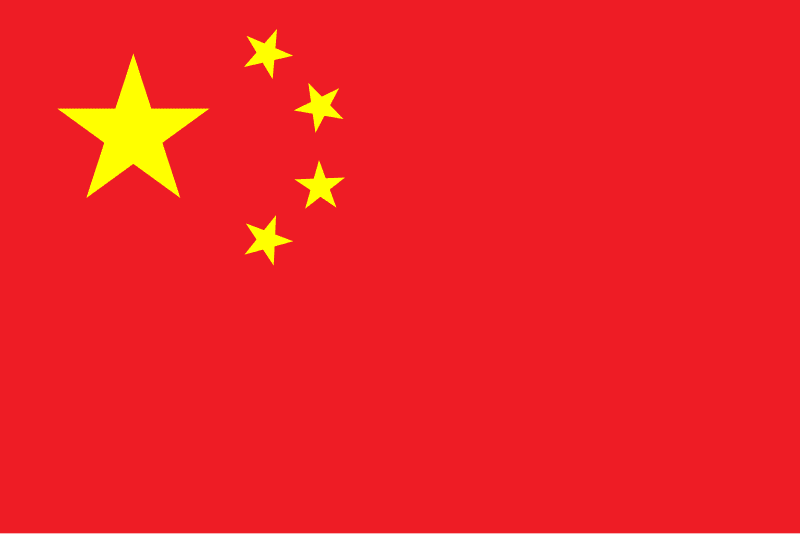
China
The relative isolation from the outside world made possible over the centuries the flowering and refinement of the Chinese culture, but it also left China ill prepared to cope with that world when, from the mid-19th century, it was confronted by technologically superior foreign nations. There followed a century of decline and decrepitude, as China found itself relatively helpless in the face of a foreign onslaught. The trauma of this external challenge became the catalyst for a revolution that began in the early 20th century against the old regime and culminated in the establishment of a communist government in 1949. This event reshaped global political geography, and China has since come to rank among the most influential countries in the world.
Central to China’s long-enduring identity as a unitary country is the province, or sheng(“secretariat”). The provinces are traceable in their current form to the Tang dynasty (618–907 AD). Over the centuries, provinces gained in importance as centres of political and economic authority and increasingly became the focus of regional identification and loyalty. Provincial power reached its peak in the first two decades of the 20th century, but, since the establishment of the People’s Republic, that power has been curtailed by a dictatorial central leadership (CCP) in Beijing.
The Chinese people have suffered greatly from the devastating cruelty of the dominant Communist Party since 1949, with as many as 45 million losing their lives under the first leader, Mao Zedong. Even with recent economic reforms that have brought some private ownership, the widely corrupt government still oppressively restricts almost every sphere of its people’s lives through repression of free speech, a harsh penal code, and more. A global market leader and the world’s second largest economy, China’s economic growth has created vast wealth for some, while also amplifying the disparities between the rich and poor. With hundreds of millions flocking to the cities over the past couple generations, China also faces a tragic myriad of social crises combined with the often fatal effects of environmental pollution. With a staggering divorce rate, urgent mental health needs (highest suicide rate in the world), vulnerable North Korean refugees, as many as 13 million abortions per year, over 3 million children in orphanages, and millions more abandoned and trafficked – the nation of China is a land of immense and urgent human need.
In the early 2000s, many unregistered churches enjoyed some freedom from government intrusion and harassment despite their illegal status. In recent years, however, oppressive religious regulations and persecution have increased significantly, led by and controlled from the CCP government in Beijing.
Hundreds of churches have been forced to close, pastors and church members have been arrested or detained, and the online sale of Bibles has been prohibited. The campaign to remove crosses from churches continues. The government has installed more than 170 million facial recognition cameras, many in or near churches, in an effort to identify those who attend worship services.
Church leaders are under intense pressure to join the government-controlled Three-Self Patriotic Movement (TSPM), the state-sanctioned protestant church organization. Authorities pressure Christian parents by refusing their children an education, and even the grandchildren of Christians are often denied schooling. It is illegal to disciple anyone younger than 18. Christians are often charged with participating in cults or with other spurious accusations, such as “bad business practices” or “intent to undermine the state.”
The massive and rapid growth (of the house-churches) has created an enormous need for further access to Bibles and sound Biblical teaching, particularly in the face of pressing moral and ethical situations and questions. Though the Church in China is massive, it remains only 8% of the population and is not distributed evenly throughout this vast land. Over 183,000,000 remain unreached by the Gospel and over 500 million are held captive to the mixed philosophies and teachings of Daoism, Buddhism, Confucianism, and Atheism.
Those living in rural areas have little access to Bibles and usually cannot afford them even if they are available. Bibles can be purchased at some bookstores operated by the TSPM, but rarely in significant quantities. The Bibles that VOM (Voice of the Martyrs) and other frontier missions organizations distribute each year have only begun to meet the massive need.